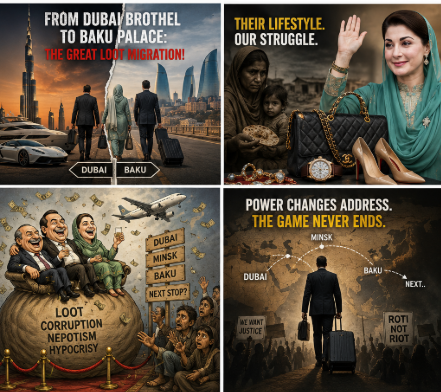
For years, the story was simple. If you were part of Pakistan’s untouchable elite class — politicians, fixers, business tycoons, or their well-fed companions — there was one magical destination for comfort, secrecy, and luxury: Dubai.
Dubai became more than a city. It became a vault with beaches.
A place where questionable wealth could quietly transform into penthouses, offshore companies, luxury apartments, yachts, and “investments.” No awkward questions. No moral lectures. Just sunshine, imported marble, and bank accounts smiling politely in multiple currencies.
But geopolitics, like an uninvited wedding guest, eventually arrives.
With rising tensions in the Middle East — from the shadowboxing between Iran and Israel to growing global instability — the region suddenly started feeling less predictable. And when uncertainty enters the room, the wealthy start checking emergency exits faster than common people check flour prices.
So now, it appears the compass is shifting.
Welcome to the new favorite playground: Azerbaijan.
Why Azerbaijan?
Because the modern elite admire stability — especially the kind built around powerful families, controlled systems, and carefully managed democracy. Azerbaijan under the Ilham Aliyev family offers exactly that formula: centralized power, oil money, strategic geography, and strong international balancing skills.
In other words: politically convenient luxury.
The model is fascinating. Publicly, regional powers speak the language of ideology and principles. Privately, pipelines keep flowing, trade keeps moving, and billion-dollar friendships remain perfectly healthy. As always, morality travels economy class while money flies private.
Pakistan’s ruling circles seem to understand this language very well.
The New Migration of Influence
First came quiet diplomatic networking. Then came carefully staged international appearances. Old alliances expanded toward places like Belarus, ruled by strongman leader Alexander Lukashenko. Now the spotlight shifts toward Baku.
When Maryam Nawaz appears at high-profile forums in Azerbaijan, critics at home are not merely looking at diplomacy. They are reading between the lines.
And Pakistanis have become experts at reading between lines — mainly because the truth is rarely written directly.
For many young people back home, the reaction is no longer admiration. It is anger mixed with exhaustion.
Social media quickly turns into an accounting office of public frustration.
People zoom into photographs. They calculate the price of handbags, designer outfits, watches, jewelry, and luxury accessories. Someone compares a purse price to a laborer’s monthly salary. Another compares a suit to a year’s gas bill. A third calculates how many bags of flour could be bought for the cost of one appearance.
And suddenly, the contrast becomes impossible to ignore.
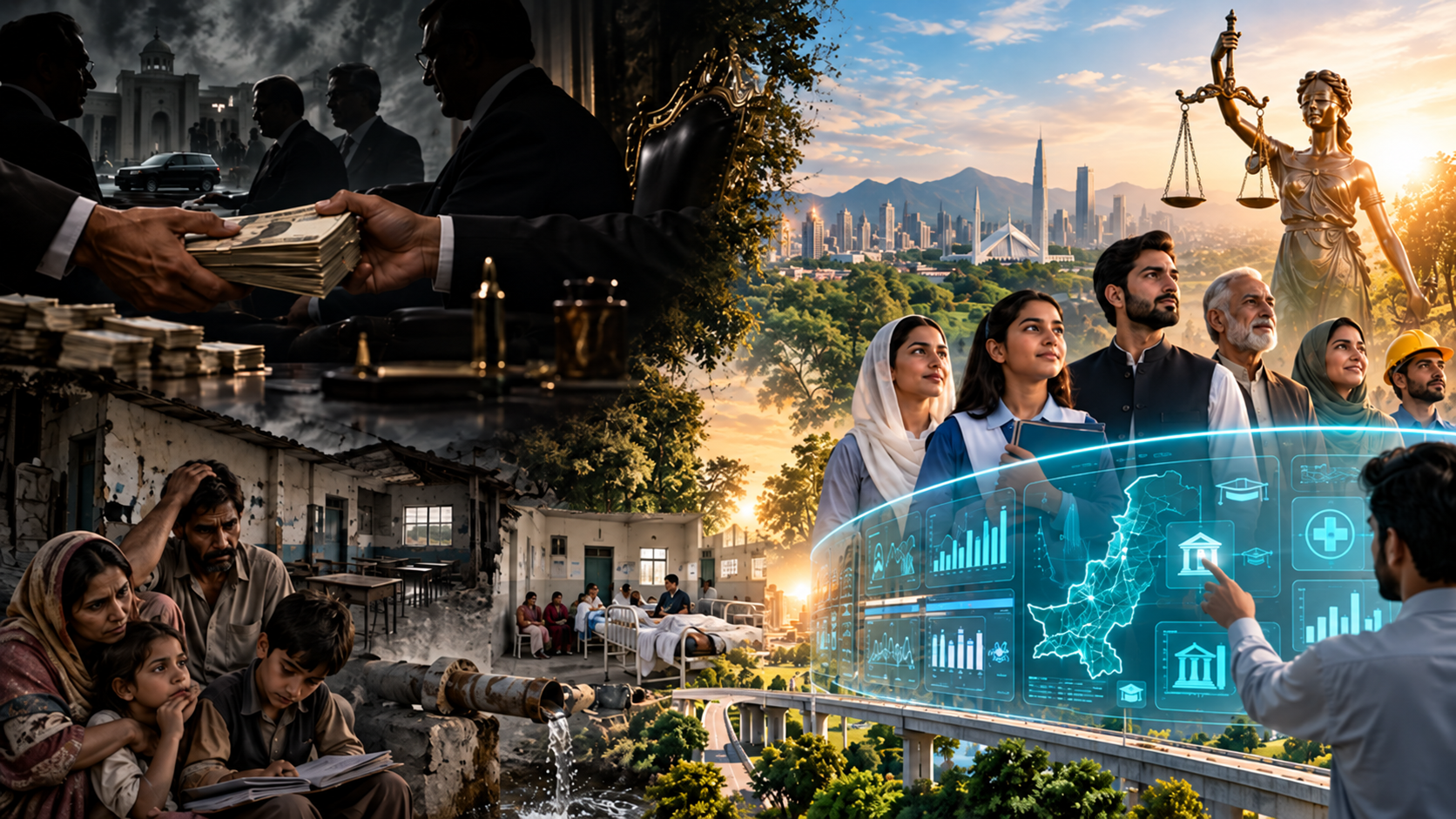
Two Pakistans Living Side by Side
One Pakistan debates which imported brand looks best at international conferences.
The other Pakistan debates whether cooking oil or electricity deserves priority this month.
One class travels through VIP lounges discussing “economic reforms.”
The other stands in utility bill lines wondering which appliance to stop using.
This widening disconnect is what fuels public resentment. Not merely wealth itself, but the performance of wealth in front of a struggling population.
And perhaps the biggest tragedy is this: ordinary Pakistanis are repeatedly told to sacrifice “for the nation,” while the nation’s most powerful families appear permanently enrolled in an international luxury tour.
Same Game, New Address
But the elite system survives because it adapts.
When one safe zone becomes unstable, another emerges. When scrutiny increases in one region, investments quietly move elsewhere. The accents change, the hotels change, the photo backgrounds change — but the power structure remains untouched.
Dubai yesterday.
Baku today.
Some other carefully protected paradise tomorrow.
Meanwhile, back home, inflation keeps climbing, frustration keeps boiling, and trust in institutions keeps eroding.
Yet the ruling circles continue operating with remarkable confidence. Perhaps because they understand something ordinary citizens are only beginning to realize:
In Pakistan, power rarely disappears.
It simply changes location, upgrades luggage, and books another first-class ticket.

Leave a Reply